Lifting Risk Doesn't Come From the Crane, It Comes From the Decision
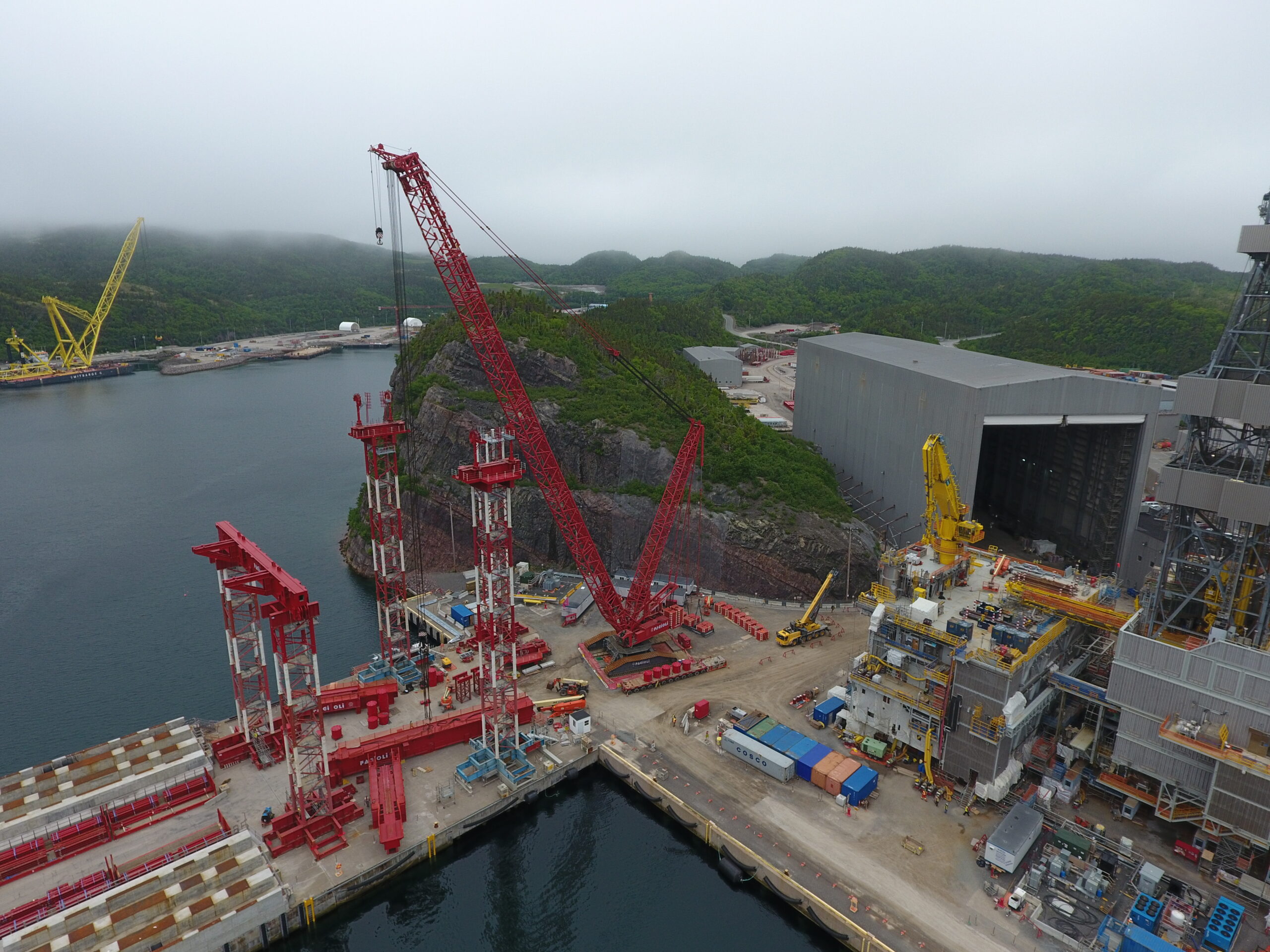
Why Serious Projects Don't Rely on Contractor Judgement Alone
Most lifting operations are executed under contractor control, including how lifts are classified, planned, and approved.
That creates a structural gap.
When the same party responsible for execution is also determining the level of planning and oversight required, exposure is built into the system.
ACLS addresses this by introducing a Lifting Authority model that sits above execution.
We implement defensible controls that hold up under pressure:
- Lift planning governance aligned to actual risk
- Independent review and approval where it matters
- Field verification that ensures execution matches intent
- Competence assurance for the people making critical decisions
This is not additional paperwork.
It is a control layer that ensures the right decisions are made before the lift begins, not after something goes wrong.
Why Existing Lifting Systems Break Down
Most organizations already have lift plans, procedures, and training in place.
The failure point is not the absence of controls.
It is the gradual drift in how those controls are applied.
Over time:
- Risk is reclassified in the field
- Oversight becomes inconsistent
- Contractor judgment fills the gaps
That is where exposure builds.
What That Means in Practice
The same lift can be treated differently depending on who is planning it.
The level of review and approval becomes inconsistent.
Decisions that should be escalated remain at the execution level.
This is not a training issue.
It is a control issue.
What ACLS Changes
ACLS introduces a control layer above execution.
It ensures the appropriate level of planning, review, and approval is applied consistently, based on the lift itself.
Not on who is performing the work.
This is implemented through:
- Structured lift classification that cannot be downgraded in the field
- Independent review and approval where risk thresholds are triggered
- Field verification to ensure execution matches approved plans
- Clear accountability for lifting decisions at the right level
This is not additional process.
It is control.
Who is This Built For
This is built for organizations that carry real lifting risk and are accountable for the outcome.
- Asset owners and operators in mining, energy, infrastructure, and heavy industry
- EPCs responsible for delivery of complex or high-consequence lifts
- Project and construction leadership accountable for execution
- Safety and engineering teams responsible for defensible decisions
If lifting outcomes matter at the project level, this applies.
How Control is Established
ACLS establishes control through a structured governance approach applied across planning, supervision, and execution.
Core elements include:
- Governance reviews and gap assessments to identify where control is breaking down
- Structured lift planning and support for critical and non-routine lifts
- Field supervision and verification during execution
- Competence assurance for the individuals making and approving lifting decisions
Supporting capabilities include technical procedure development and SME support for complex operations.
Start With a Diagnostic
If lifting decisions are not being applied consistently across your operation, exposure already exists.
You don’t need more procedures.
You need to understand where control is breaking down.



We do the heavy lifting, so you can focus on what matters most – your business.